
Creating a Structured, Respectful, and Motivating Culture for Learning
This artifact highlights how I intentionally designed the classroom environment to support student learning, accountability, and engagement. I selected the Firehawk Math Lab classroom culture system for Domain 2 because it reflects how physical space, visible expectations, classroom identity, and motivational structures work together to create a positive and productive learning environment. Rather than viewing classroom management as separate from instruction, I see it as part of the design of a classroom where students feel supported, challenged, and accountable.
Artifact: Firehawk Math Lab Classroom Culture System
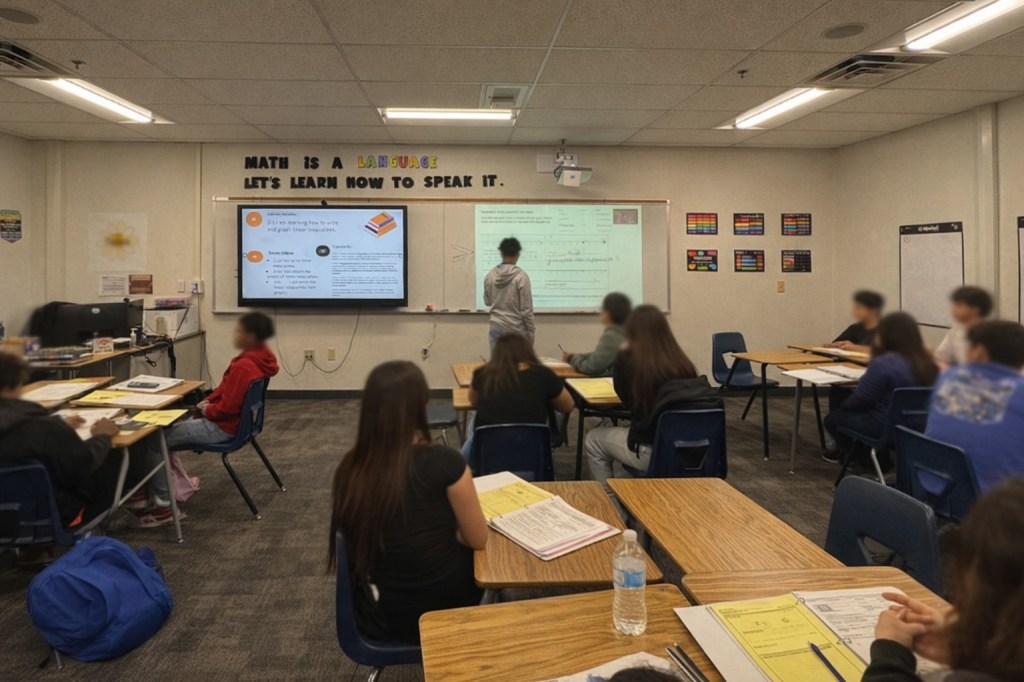
A classroom environment system combining identity, expectations, visual culture, and gamified accountability structures in Algebra 1
Why This Artifact Fits Domain 2
This artifact is a strong representation of Domain 2 because it demonstrates how I created an environment of respect, structure, and academic purpose. The Firehawk Math Lab system made classroom expectations visible, reinforced consistent routines, and helped students understand that the classroom was a place for effort, collaboration, and growth. It also supported classroom management by providing students with clear reference points for behavior, participation, and accountability, while making the learning environment feel more intentional and welcoming. (Danielson, 2013)
Building a Culture for Learning
A key part of this artifact is the way classroom identity was used to establish a culture for learning. Through the Firehawk Math Lab name, visual branding, and posted messaging, students encountered a classroom environment that communicated both belonging and purpose. The goal was not simply to decorate the room, but to create a space where students understood that mathematics involved reasoning, revision, participation, and persistence. This helped reinforce that learning was something active and shared rather than passive.

Procedures, Motivation, and Accountability
The classroom environment was also shaped by systems that consistently reinforced routines and accountability. One of the clearest examples was the Firehawk Bucks incentive structure, which connected participation, work completion, and positive behavior to visible recognition. This system supported classroom procedures by helping students understand which actions contributed to the learning community and by encouraging them to take greater ownership of their choices. In this way, motivation and management became part of the larger classroom culture rather than a separate disciplinary structure.

Student Engagement Within the Environment
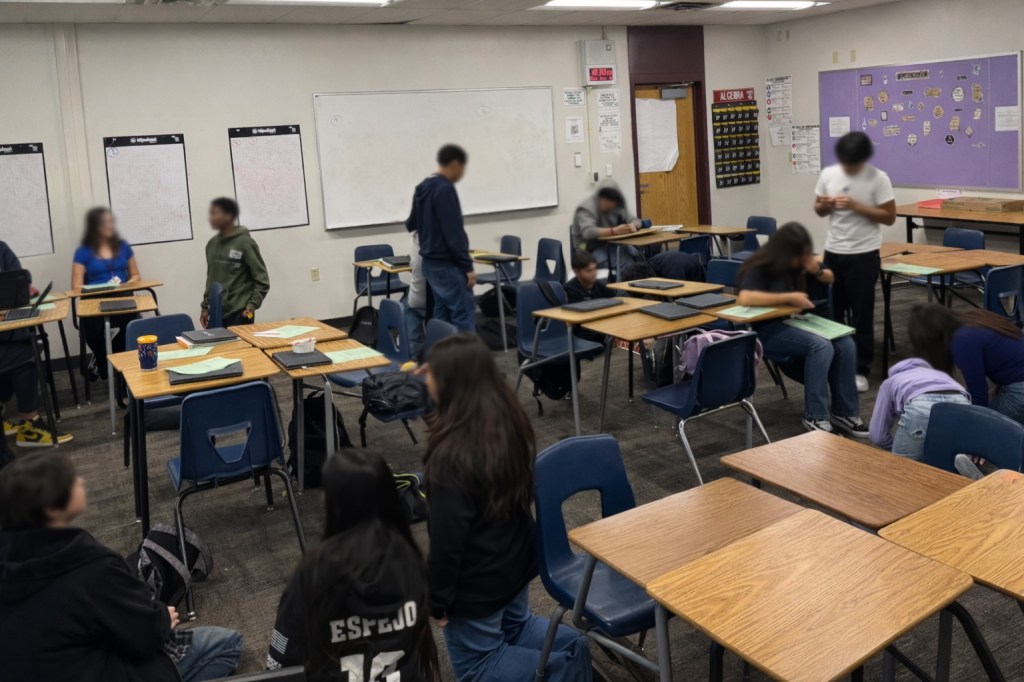
This artifact also reflects how the classroom environment influences student participation and interaction. A well-structured learning environment is not only orderly, but also active and relational. By creating a space with consistent expectations, clear visual cues, and opportunities for recognition, I was able to foster greater engagement during collaborative and hands-on activities. Students were more likely to participate, move with purpose, and take part in shared problem-solving when the environment felt predictable, motivating, and academically focused.
Impact on My Growth as a Teacher
Developing the Firehawk Math Lab classroom culture system strengthened my understanding of how the environment shapes student learning. It helped me see that classroom culture is built through intentional decisions about space, language, routines, and reinforcement, not only through behavior correction. This artifact reflects my growth in creating an environment where expectations are visible, systems are consistent, and students are encouraged to see themselves as active members of a learning community. It also reinforced my belief that strong classroom management begins with clarity, relationships, and design.
Research and Best Practice Connection
This artifact reflects research-based best practices related to classroom environment, including clear expectations, positive behavior supports, structured routines, and a culture of belonging. Effective classroom environments are built through consistency, relational trust, and systems that help students understand both what is expected and why it matters. When students experience a classroom as organized, respectful, and motivating, they are more likely to engage in learning, persist through challenge, and contribute positively to the classroom community.
Reflection
This artifact represents my belief that the classroom environment should be intentionally built to support both learning and belonging. Through the Firehawk Math Lab, I worked to create a space where students could experience structure, motivation, and shared purpose, making mathematics feel more engaging, more accessible, and more worth investing in.
 Rabih Borji