
Classroom Culture, Identity, and Engagement by Design
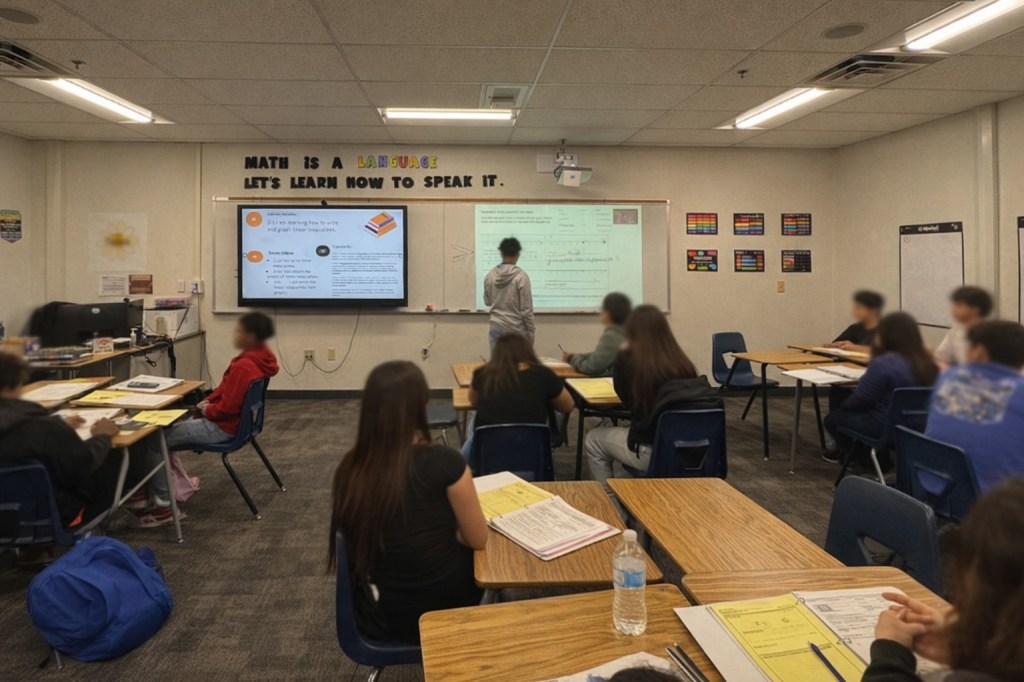
Firehawk Math Lab is the classroom framework I developed to create a more structured, engaging, and student-centered mathematics environment. More than a classroom theme, it functions as a culture-building system that combines visual identity, clear routines, gamified motivation, and instructional consistency. By designing the classroom as an intentional learning space, I aim to increase student ownership, strengthen participation, and make mathematics feel more accessible and meaningful.

I. Classroom Identity and Environment
The Firehawk Math Lab establishes a clear classroom identity that helps students experience the space as purposeful, welcoming, and academically focused. Visual consistency, posted expectations, and intentional design choices support a culture of belonging while reinforcing that mathematics is a place for active thinking, collaboration, and growth.
II. Routines and Instructional Structure
Consistent routines are a central part of the Firehawk Math Lab model. Daily structures such as Do Nows, exit tickets, collaborative roles, and visible lesson goals help reduce uncertainty and maximize time on task. These routines create predictability while also supporting student independence, accountability, and sustained engagement with mathematical thinking.
This instructional artifact demonstrates how classroom identity extends into lesson design through consistent visuals, structured tasks, and student-facing supports that reinforce clarity and engagement.
III. Firehawk Bucks and Gamified Motivation

To strengthen motivation and reinforce positive academic habits, I implemented a gamified incentive system using Firehawk Bucks. Students earn recognition for effort, participation, collaboration, and academic follow-through, making progress visible and rewarding in meaningful ways. Rather than functioning as simple prizes, the system reinforces classroom values, supports consistency, and encourages students to take greater ownership of their learning experience.
IV. Student Engagement and Learning Experience
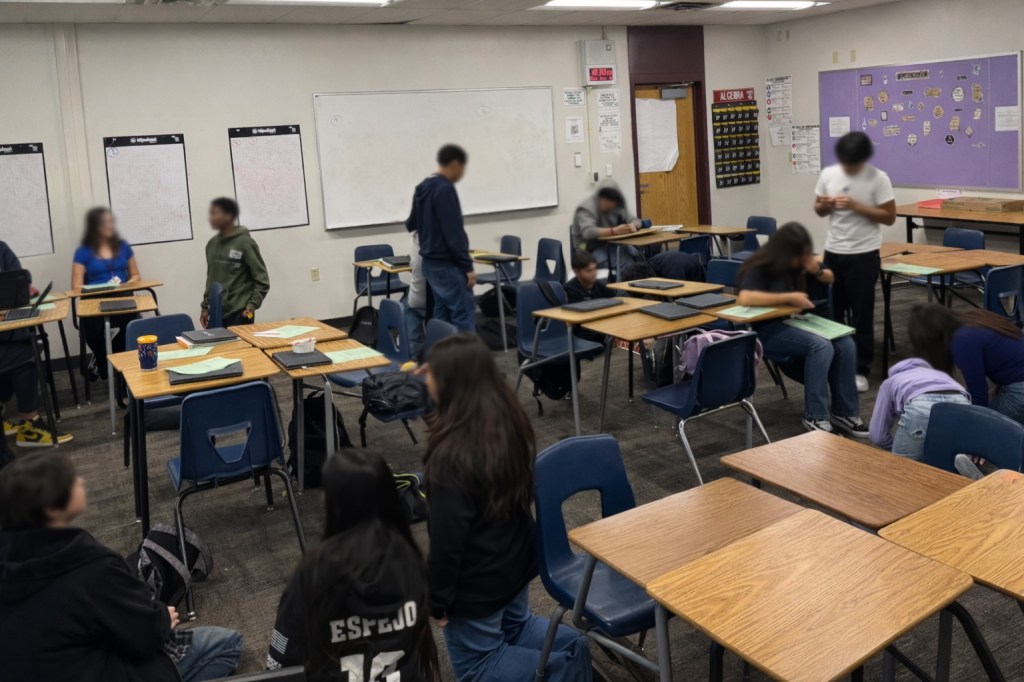
The Firehawk Math Lab was designed not only to organize the classroom but also to improve students’ learning experience within it. Through consistent routines, visible expectations, gamified structures, and engaging lesson design, students are encouraged to participate more actively, collaborate more confidently, and see themselves as capable contributors in the mathematics classroom.
V. AI-Supported Design and Iteration
AI tools supported the development of the Firehawk Math Lab by helping me generate classroom materials, refine visual systems, brainstorm engagement structures, and create variations of student-facing resources more efficiently. Rather than replacing instructional judgment, these tools helped accelerate design and organization, allowing me to focus more intentionally on how classroom systems could better support student learning, participation, and clarity.
Reflection
Firehawk Math Lab reflects my belief that classroom culture should be intentionally designed rather than left to chance. By combining structure, identity, and engagement, I aim to create an environment where students feel supported, accountable, and more willing to see themselves as capable mathematicians.
 Rabih Borji