
Photo-Essay | 2018
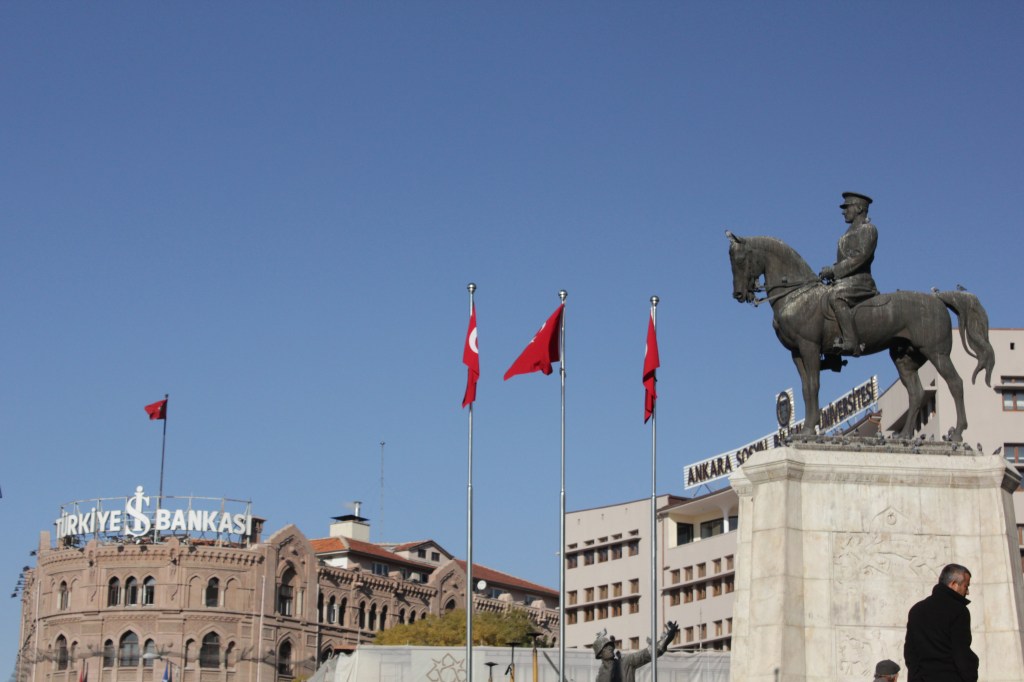
Once the heart of old Ankara, ULUS ; meaning “nation” in the Turkish language; is located in the center of the capital city of Turkey.
It is now a predominately a commercial and tourist area made up of banks, malls, shops, hotels, businesses, restaurants, and many historical sites.
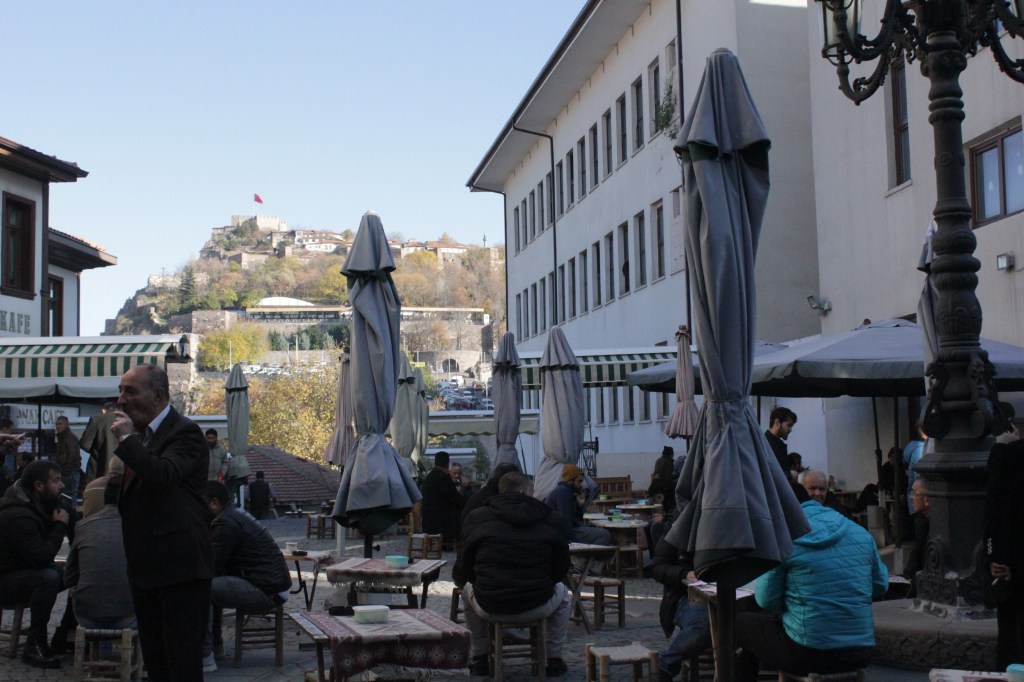
Nowadays, it is conceived that the area is a commercial and touristic place.
In the center of Ulus Square, there is a memorial called Monument of Republic, which was erected in 1927 as a symbol of the Turkish War of Independence.
What makes Ulus unique, is the essence each person can feel through walking in its alleyways. The purity of the people living and working there gives exclusivity to the experience of your walk.
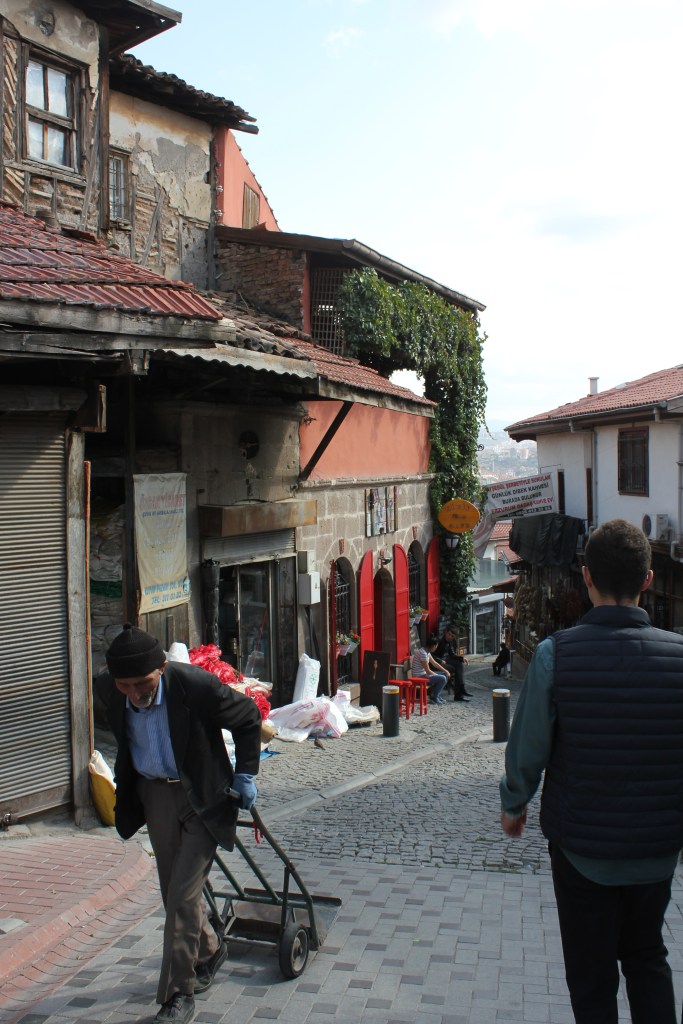
Ulus, in other words, will let you be involved in knowing how an area can be authentic and genuine.
Once the political and economic center of a thriving, young Republic, Ulus neighborhood in Ankara continues to host elements of both the city’s Republican and religious traditions. The district, first surrounded by slums and then neglected after Kizilay became the capital’s new economic center, has been left to low-income groups. Today, the distinctive and multi-layered character of Ulus is being targeted and condemned for having overshadowed the spirituality and morality of Hacibayram, a significant religious site in the district, and has been witness to a major urban transformation on these grounds.
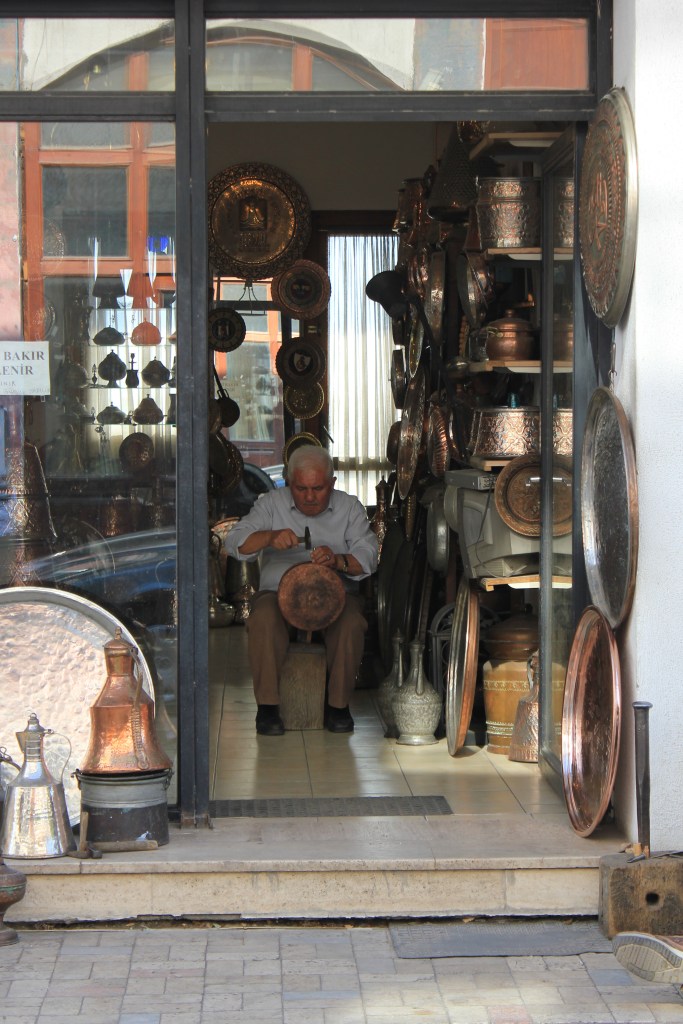
I began “ULUS: The Heart of Ankara from a Foreigner Perspective” project at the start of November 2018, with the aim of identifying, visiting and documenting locations and people that are based in Ulus, Ankara. The idea is to show the old town from a foreigner perspective as local people I know and website don’t really advice visiting the area for no clear reasons.
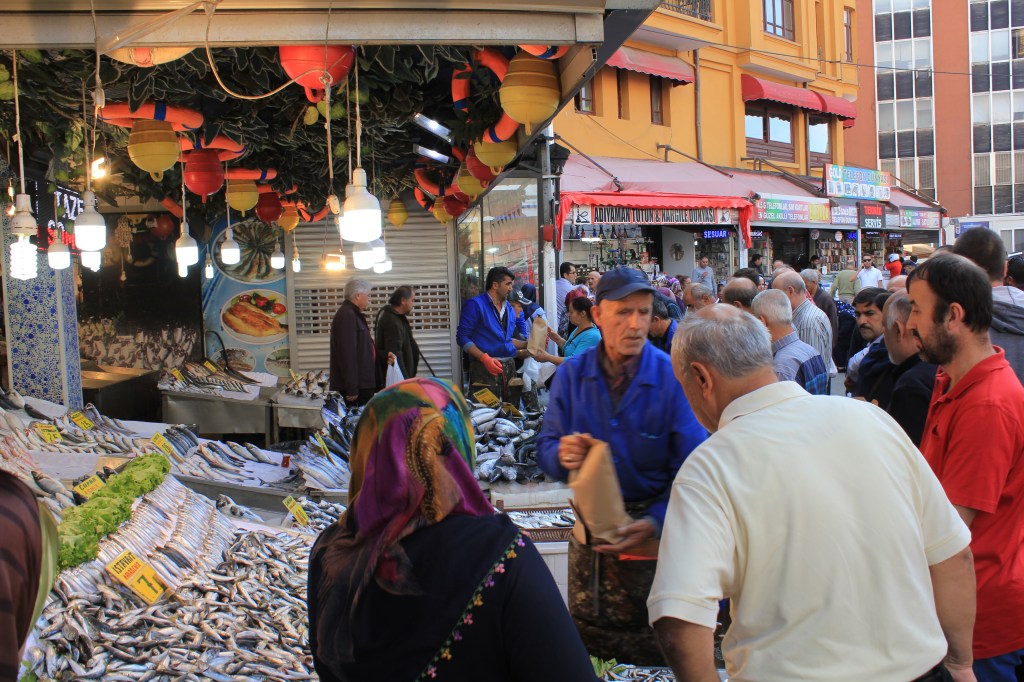
My first expedition was along the Ataturk status that plays the role as the center of the area and first attention point. Then wandering around the area through vertical and horizontal paths.
To adopt all that I need in this project I went to site walking around for four times and it was mostly in the weekends where people were pretty busy buying their needs from the cheap market located in the area.
My first visit was pretty by myself with no camera where I wanted to experience the area and get to know as it was the first visit there. For that, I was just wandering around and checking all the details my eyes can catch. This leads me to form an idea of what I am as a foreigner want to see from Ulus.
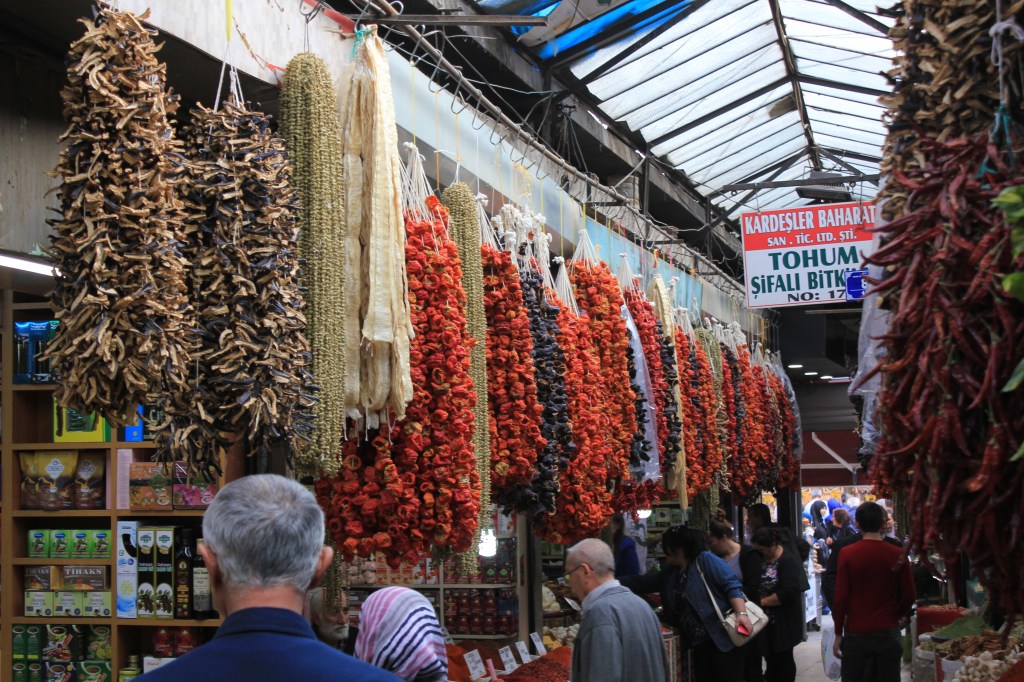
My second visit I went there trying to catch the moments that were captured in my mind from the first visit. I was there with my Canon EOS 550D camera model and a Lens of 18-55mm attached and the focus and stabilizer were set to manual. Plus, the mode I choose to capture the photos was manual as well with changing the ISO as needed.
During this time people were kind of looking at my acts of shooting photos and some took the initiative, to come and ask me what am I doing. Knowing that I’m not a Turkish speaker the conversation just fade away at the spot.
I took all the photos I needed and went back home. After checking I discovered that there were lots of faults in the photos which made me do another visit on the later weekend.
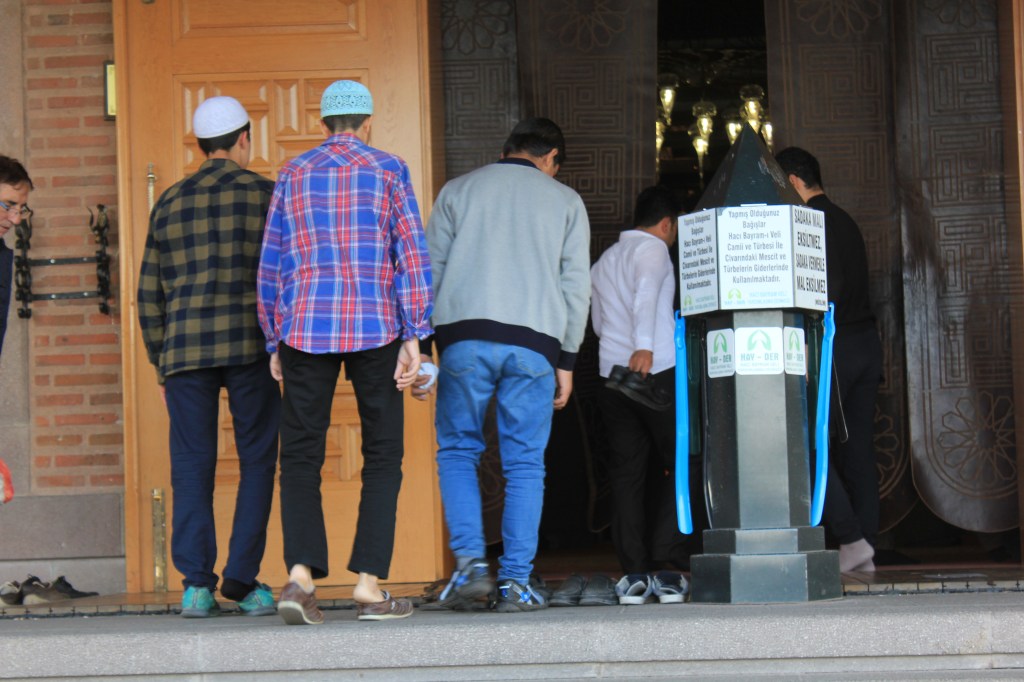
The third visit was just a kind of trying to fix what my eye saw not applicable for my storyboard. At the week I got the comments from the jury where I again found out that this set of images telling the story of Ulus is still not in its final phase.
For the reason listed before, I dropped the fourth visit seeking a more wide open vision in addition to capturing details that fit my storyboard in a more well manner.
Today the story of Ulus I want to tell is finalized and saw the light and it consists of 9 photos reflecting what a foreigner catches from this neighborhood.
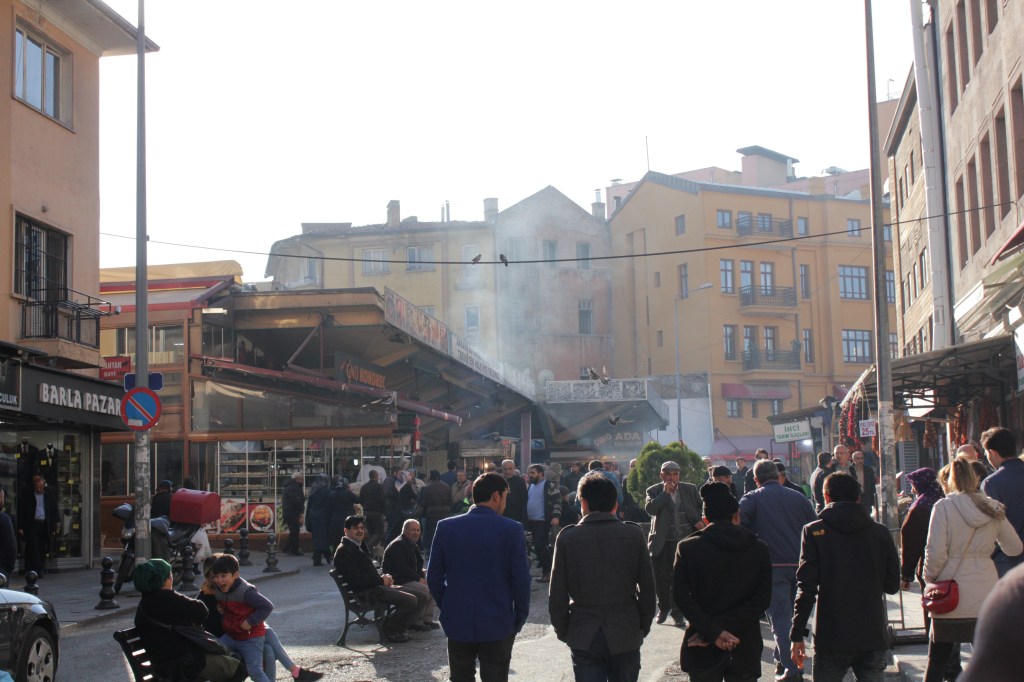
“To me, photography is an art of observation. It’s about finding something interesting in an ordinary place… I’ve found it has little to do with the things you see and everything to do with the way you see them.”
— Elliott Erwitt
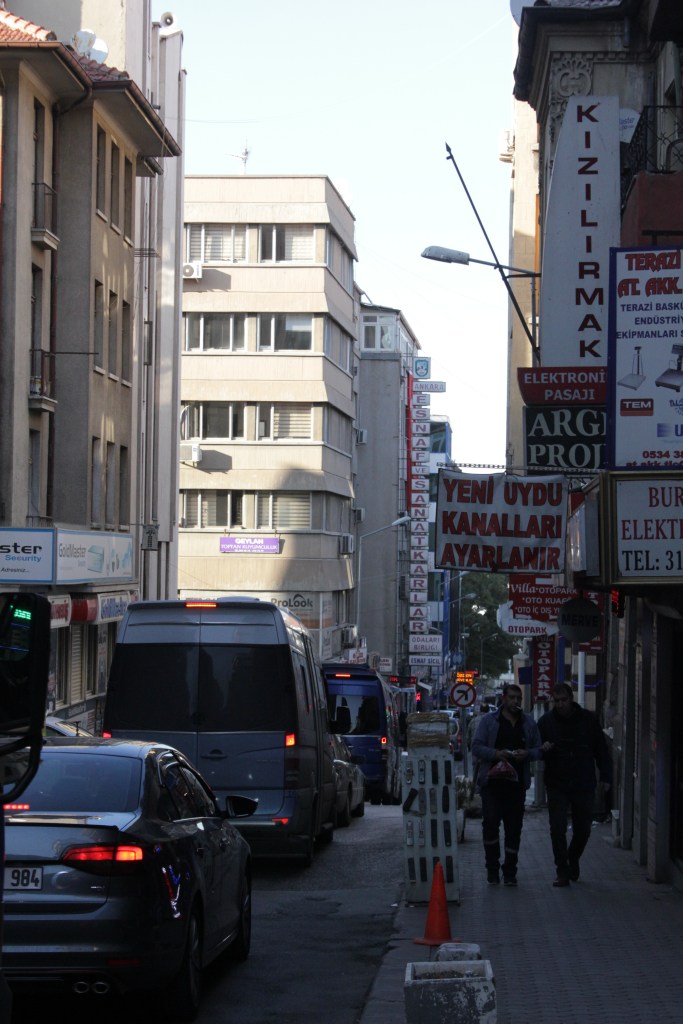
For this, I would end by saying that Ulus is an ordinary neighborhood for some but it holds a lot of history and images to be reflected.
 Rabih Borji