
PROFILE / ABOUT
I bring an architect’s
eye to learning.
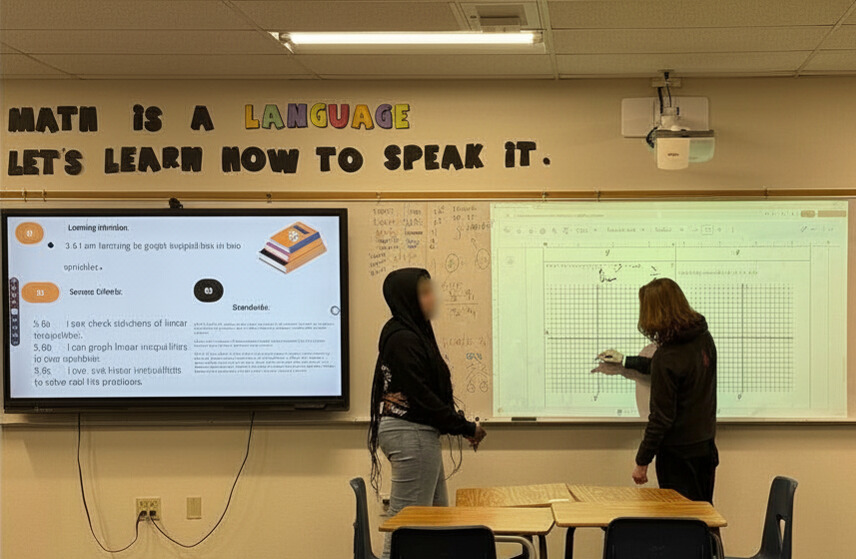
I am a secondary mathematics educator and systems thinker shaped by architecture, urban research, visual practice, and years of teaching across different cultures and learning contexts.
LEBANON · SAUDI ARABIA
TURKEY · BOSTON
LAS VEGAS
THE THROUGH-LINE
Designing environments where people can do their best thinking.
My path may look like a series of transitions—from architecture and urban studies to special education and secondary mathematics—but the work has always centered on the relationship between structure and human experience.
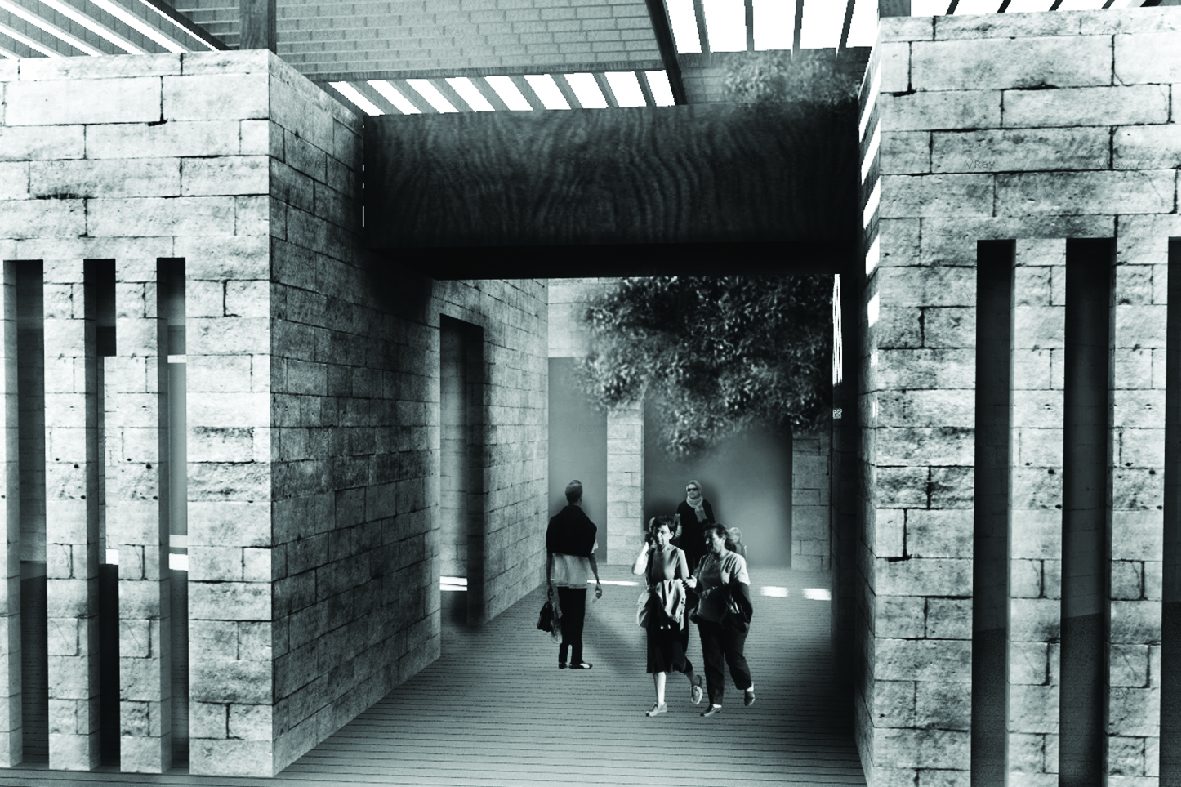
Architectural practice taught me to work across scales, communicate visually, and turn constraints into coherent systems. Urban research taught me to notice how environments influence attention, movement, and belonging. Teaching made those questions immediate: students experience every routine, visual, assessment, and interaction as part of the learning environment.
Today I combine these perspectives to design mathematics classrooms that are rigorous, clear, responsive, and intentionally human.
A practice built across contexts.
01 / ARCHITECTURE
Space & systems
Architectural engineering, project design, teaching design studios, and managing complex projects across Lebanon and Saudi Arabia.
02 / URBAN RESEARCH
Experience & attention
Graduate study and teaching in Ankara focused on urban experience, cultural heritage, photography, soundscapes, and public life.
03 / EDUCATION
Access & belonging
Work in special education, multilingual learner support, and secondary mathematics sharpened my commitment to clarity and student-centered design.
04 / LEARNING SYSTEMS
Evidence & iteration
Classroom Metrics, Firehawk Math Lab, and AI-supported workflows turn reflection and evidence into practical improvement cycles.
CURRENT FOCUS
Building classrooms that learn, too.
My current work centers on Algebra 1 instruction, data-informed decision-making, classroom culture, multilingual and special education supports, and responsible uses of AI that make teaching more responsive without replacing professional judgment.
- Standards-aligned instruction and formative assessment
- Visual dashboards and individual progress communication
- Classroom identity, routines, and student ownership
- AI-supported design, organization, and iteration
 Rabih Borji