Al-Mafraq, Jordan | 2012
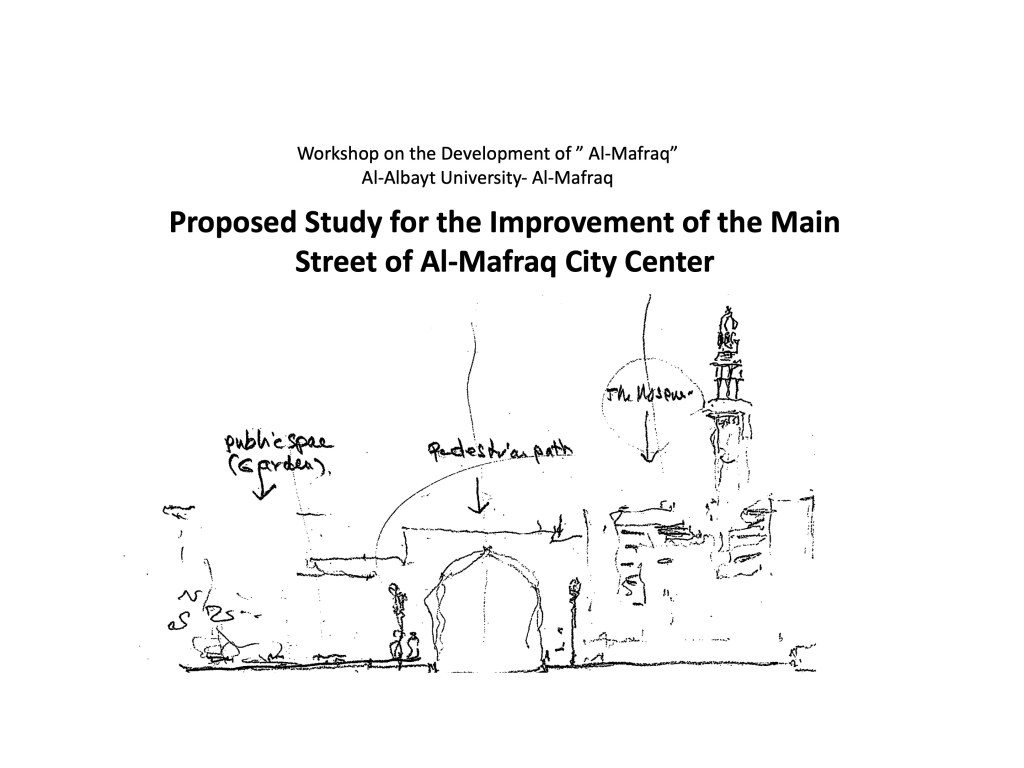
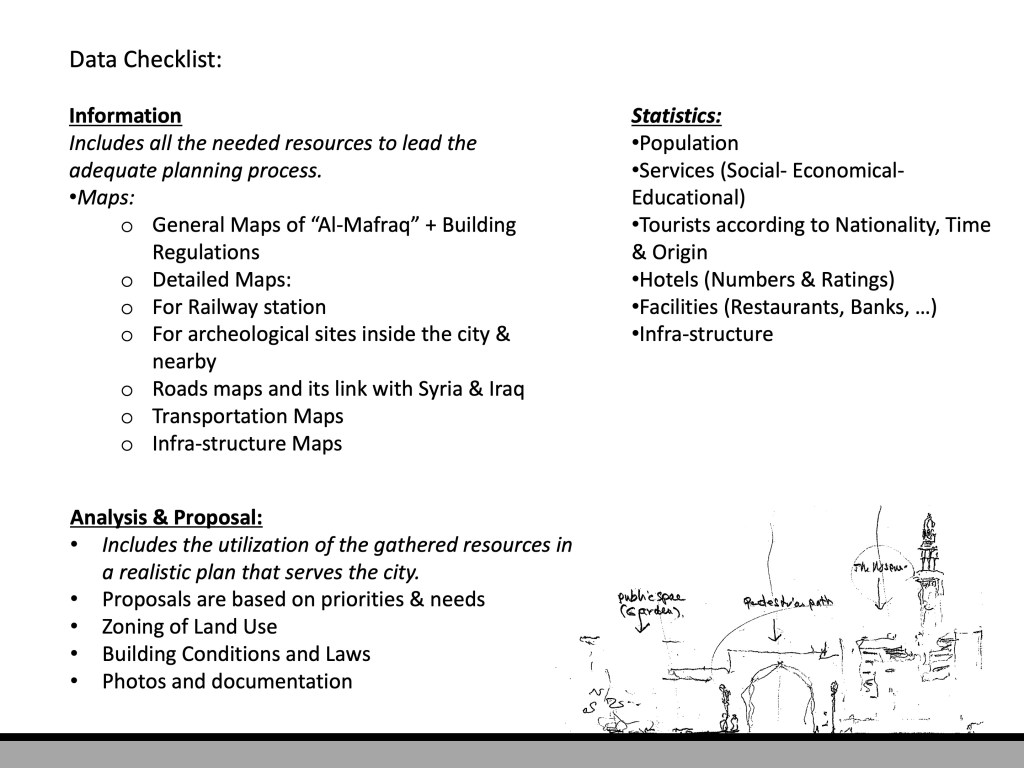

Overview:
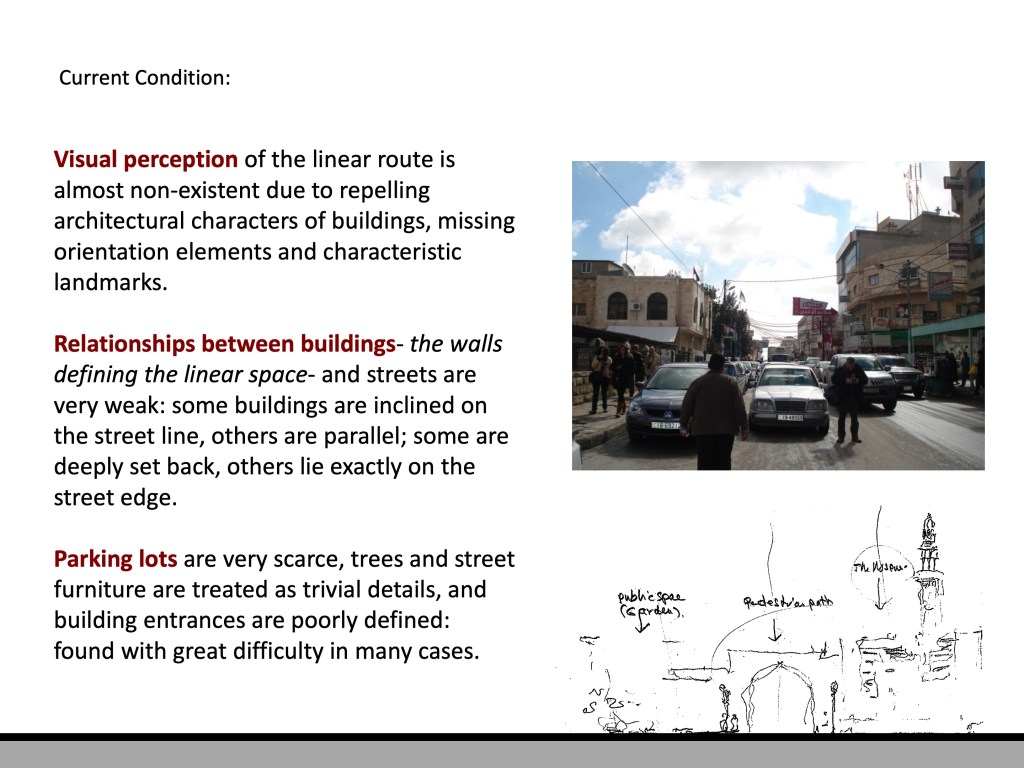
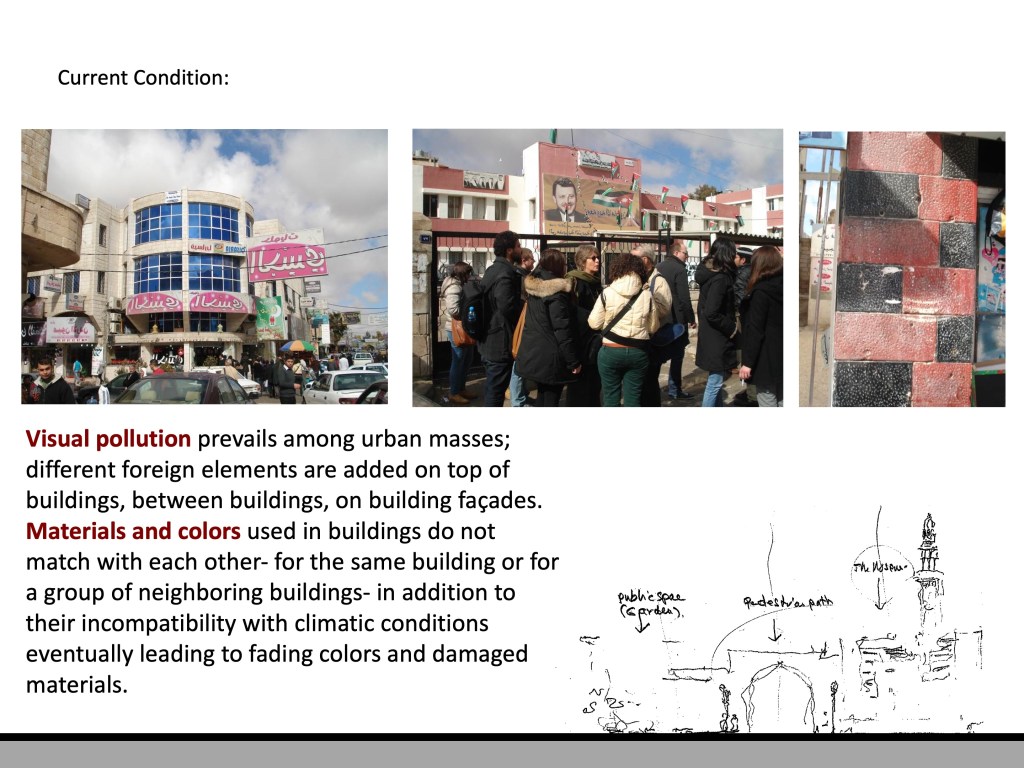
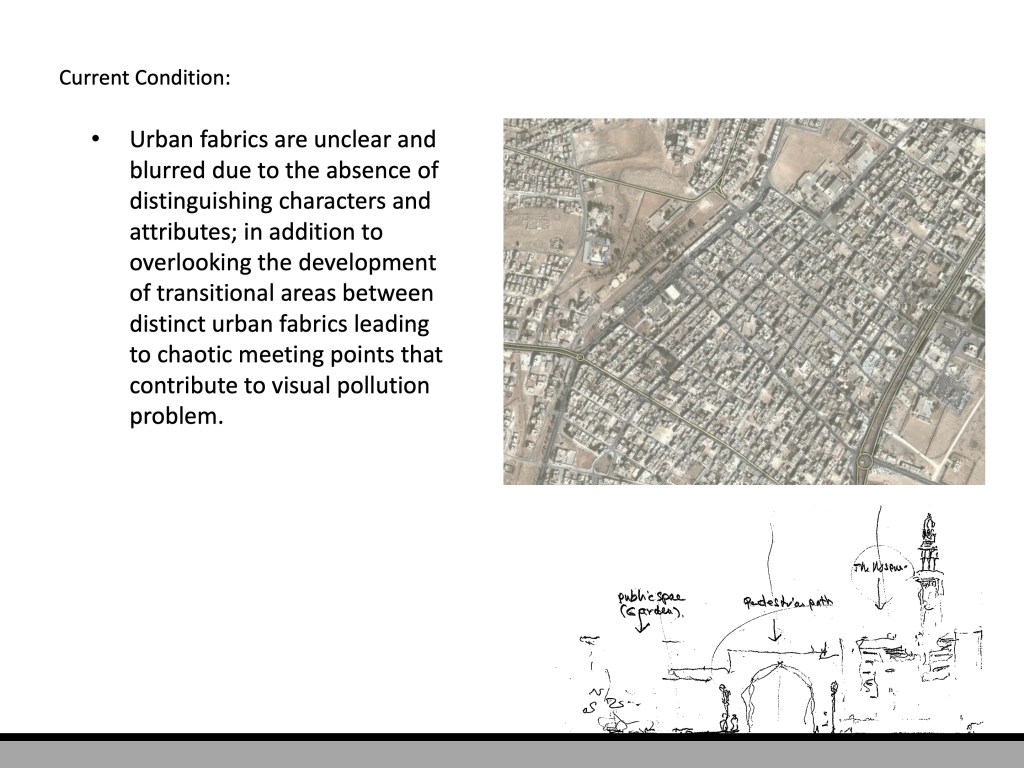
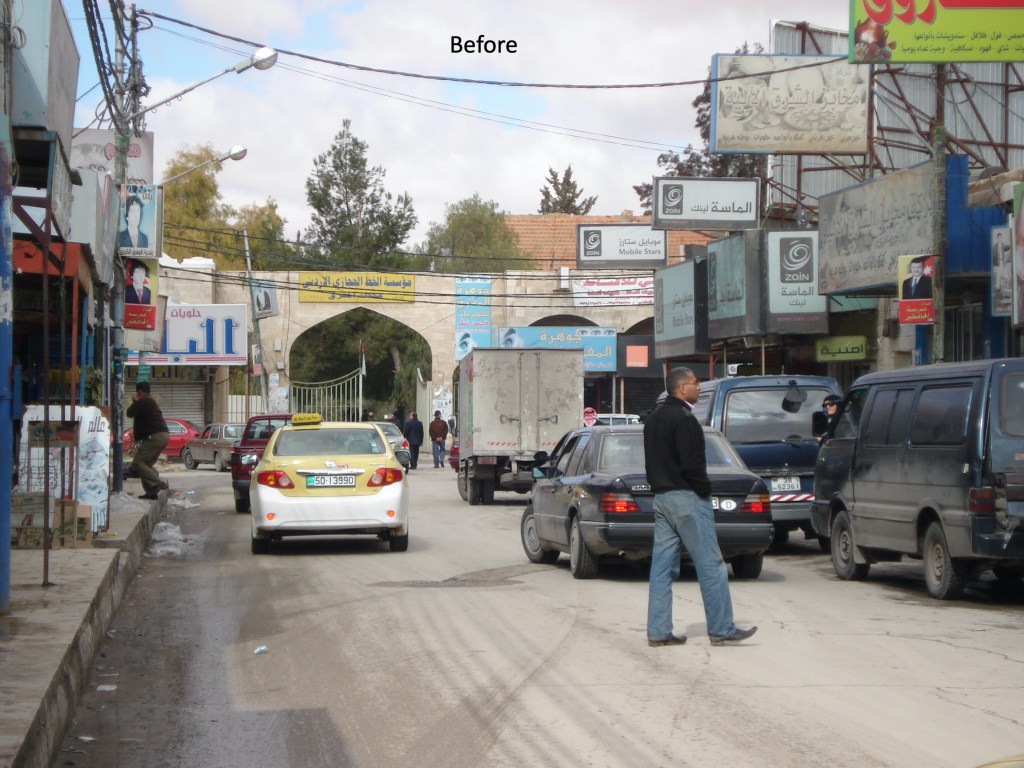
The urban fabric of Al-Mafraq City Center in Jordan currently faces significant challenges, resulting in a visually disorganized and functionally inefficient environment. Key issues include a lack of distinguishable urban characteristics, inadequately planned transitional zones between diverse urban sections, and general disarray in land use and public amenities. This project aims to address these challenges by proposing comprehensive recommendations for urban redevelopment.
Key Challenges:
- Ambiguous Urban Characteristics: The city’s core lacks unique attributes that contribute to a coherent identity, exacerbated by the absence of thoughtfully designed transitional areas between distinct urban sections.
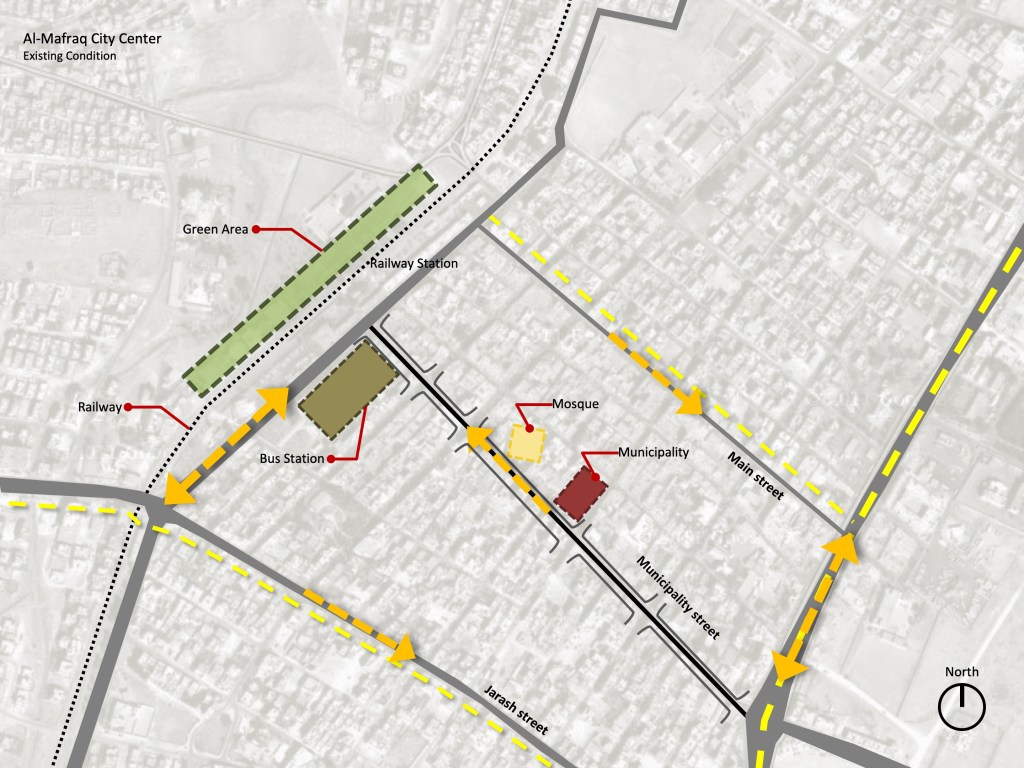
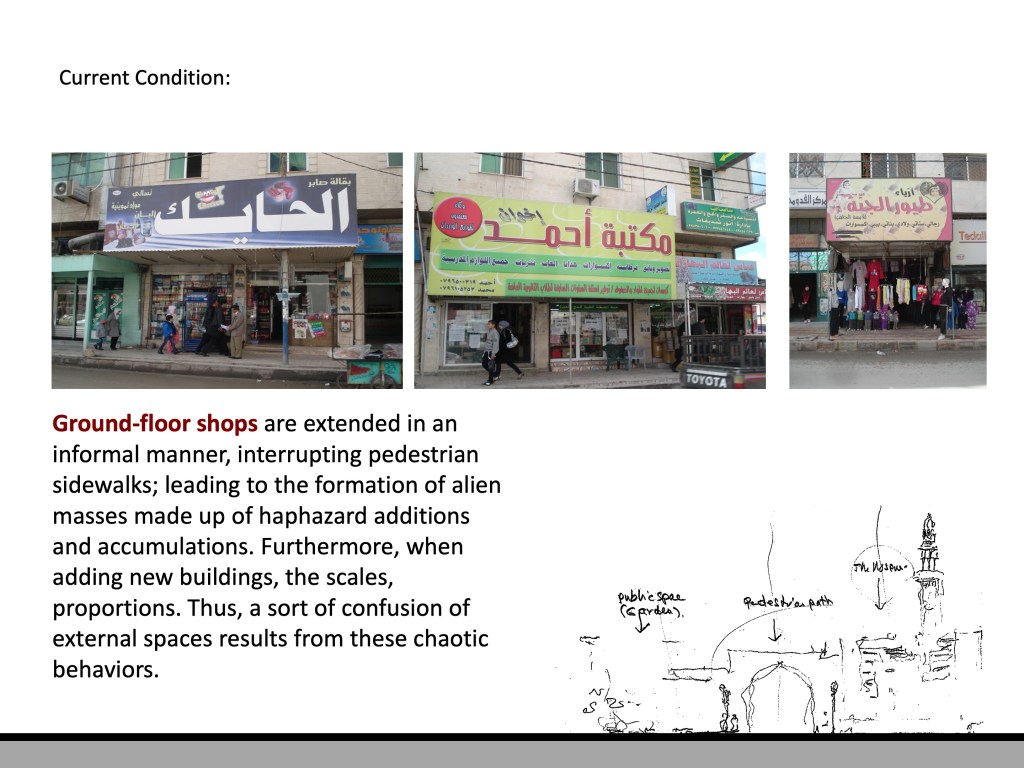
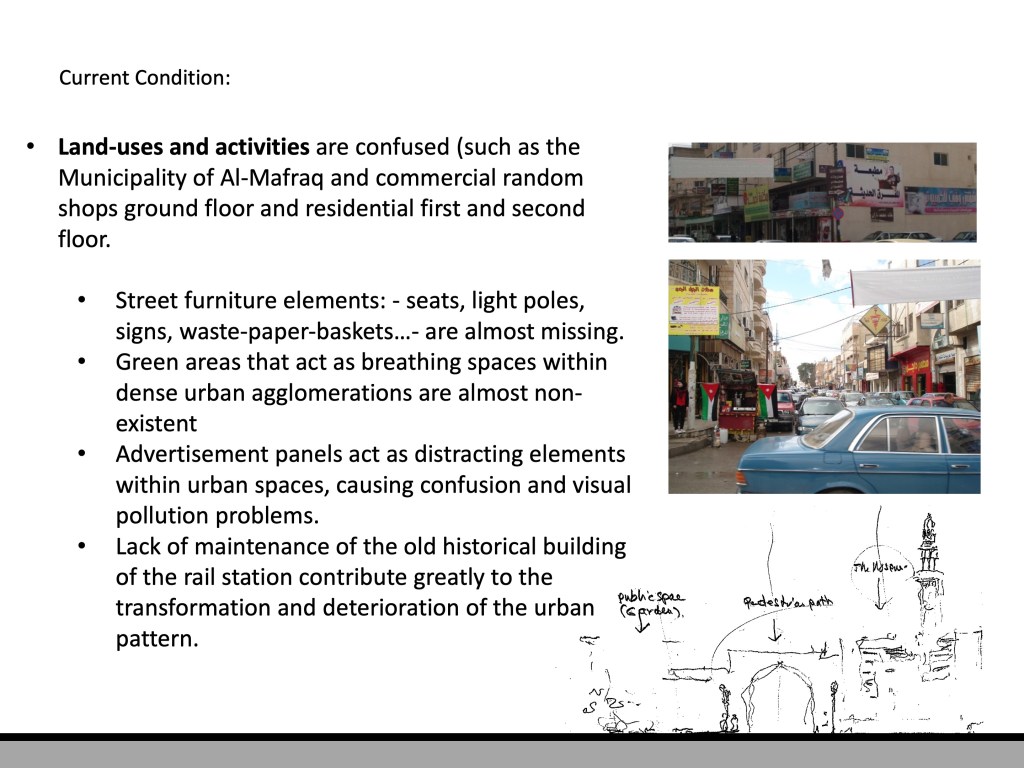
- Mixed Land-Use Confusion: The present layout shows a disorganized combination of commercial and residential spaces, exemplified by the current location of the Municipality of Al-Mafraq, surrounded by commercial shops on the ground floor and residential areas above.
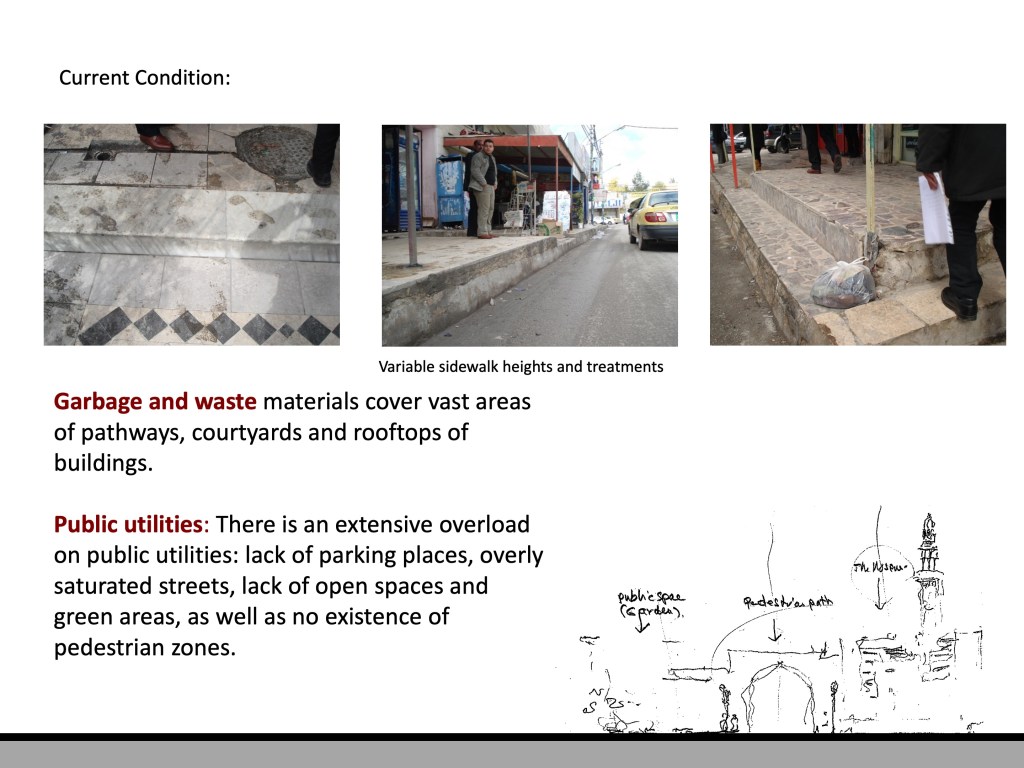
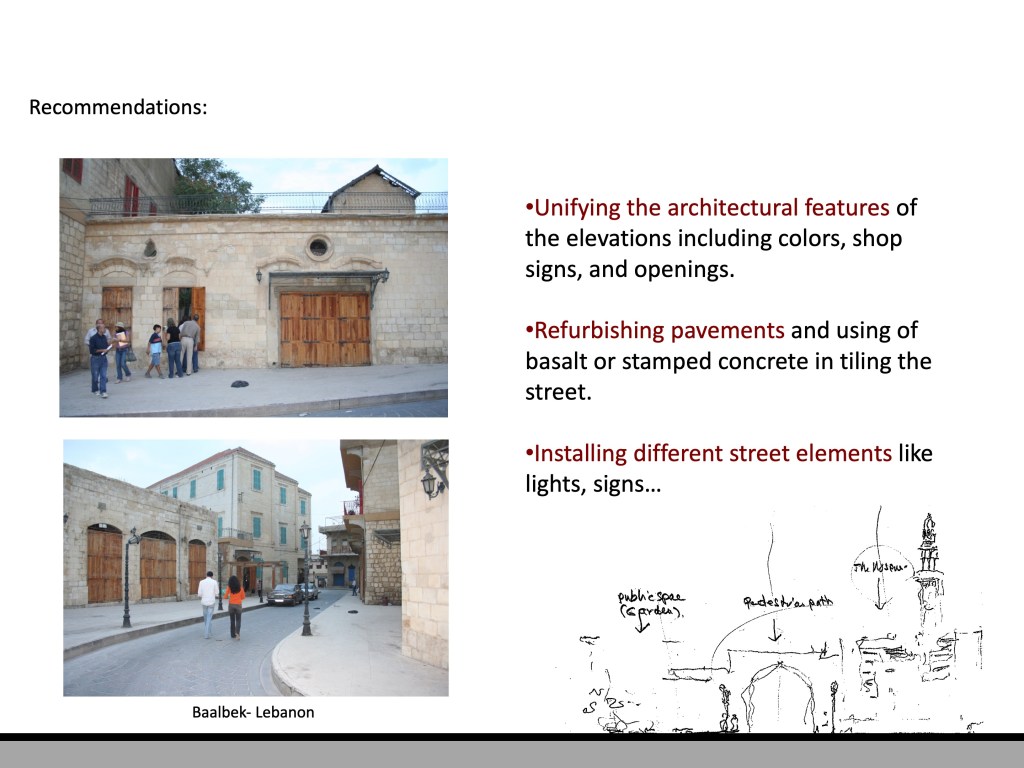
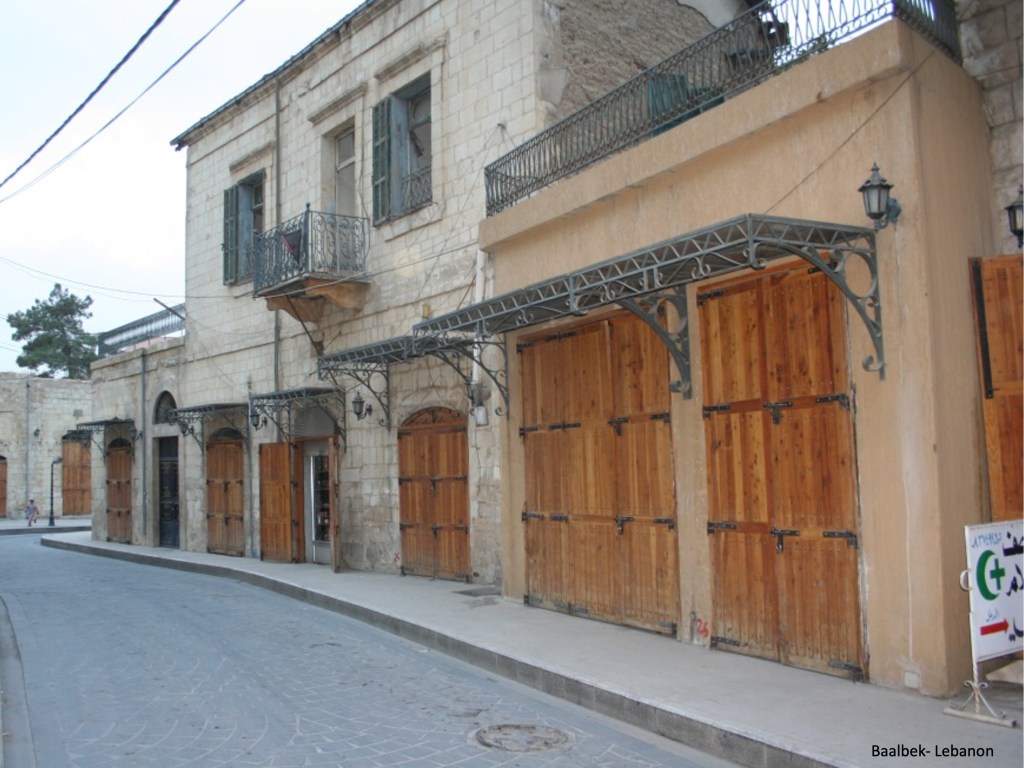
- Deficient Public Amenities: The scarcity of essential street furniture—such as seating, lighting, signage, and waste disposal units—further deteriorates the urban experience.
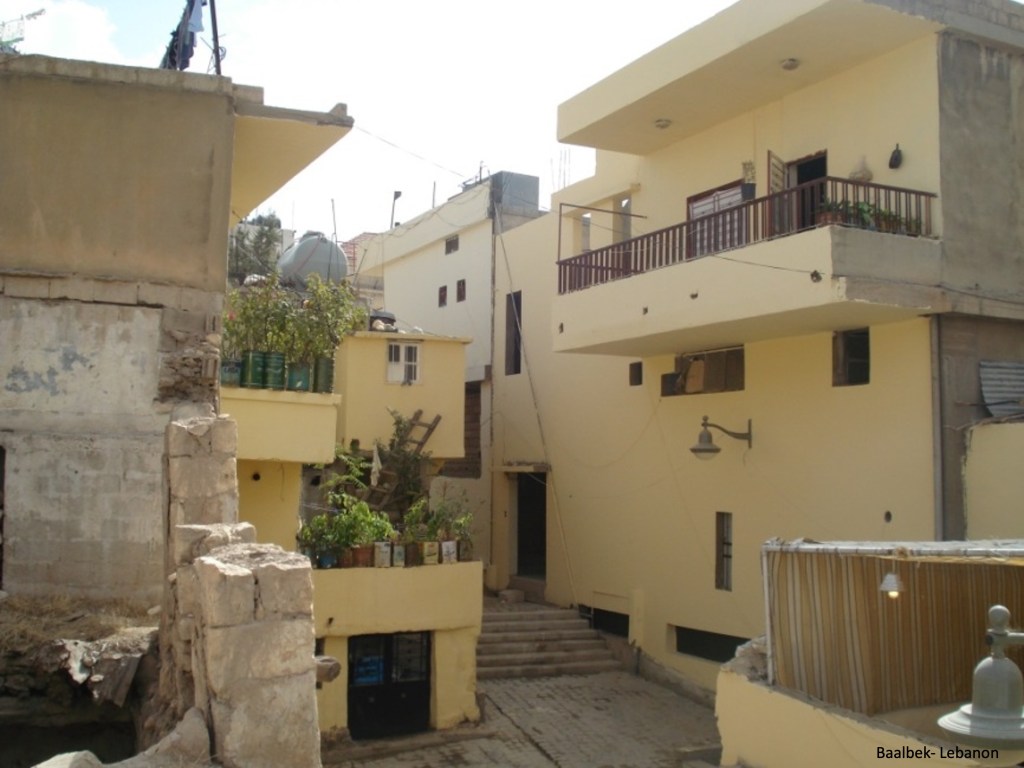
- Limited Green Spaces: The city lacks adequate green areas, which are essential for providing breathing spaces within densely populated urban settings.
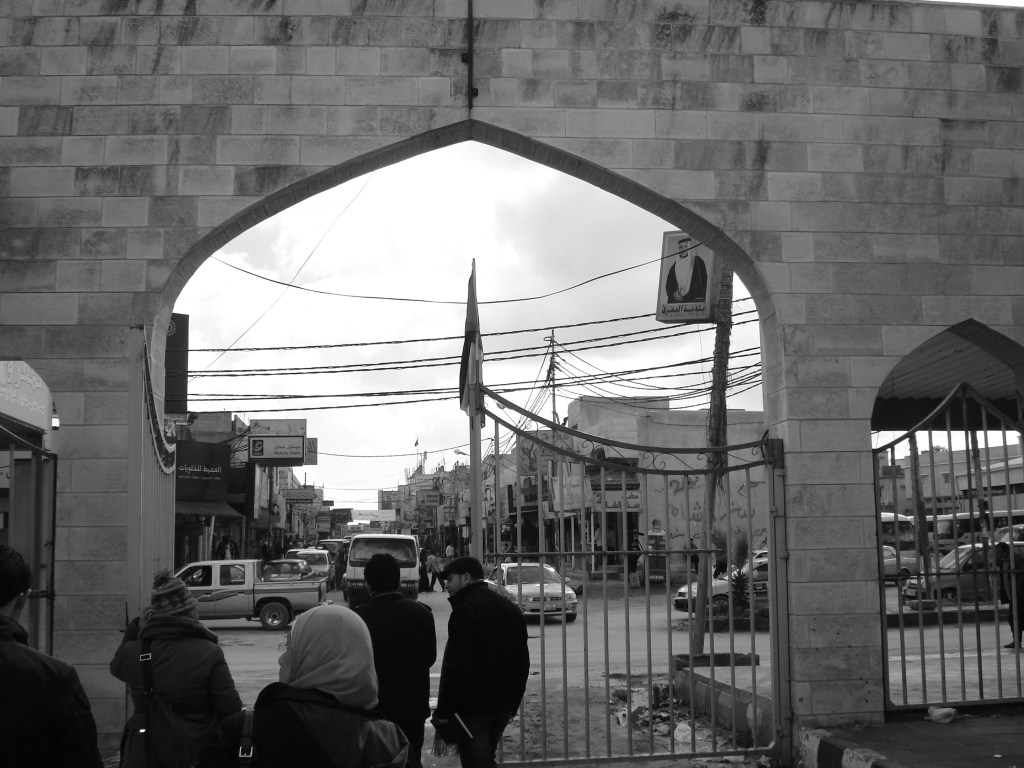
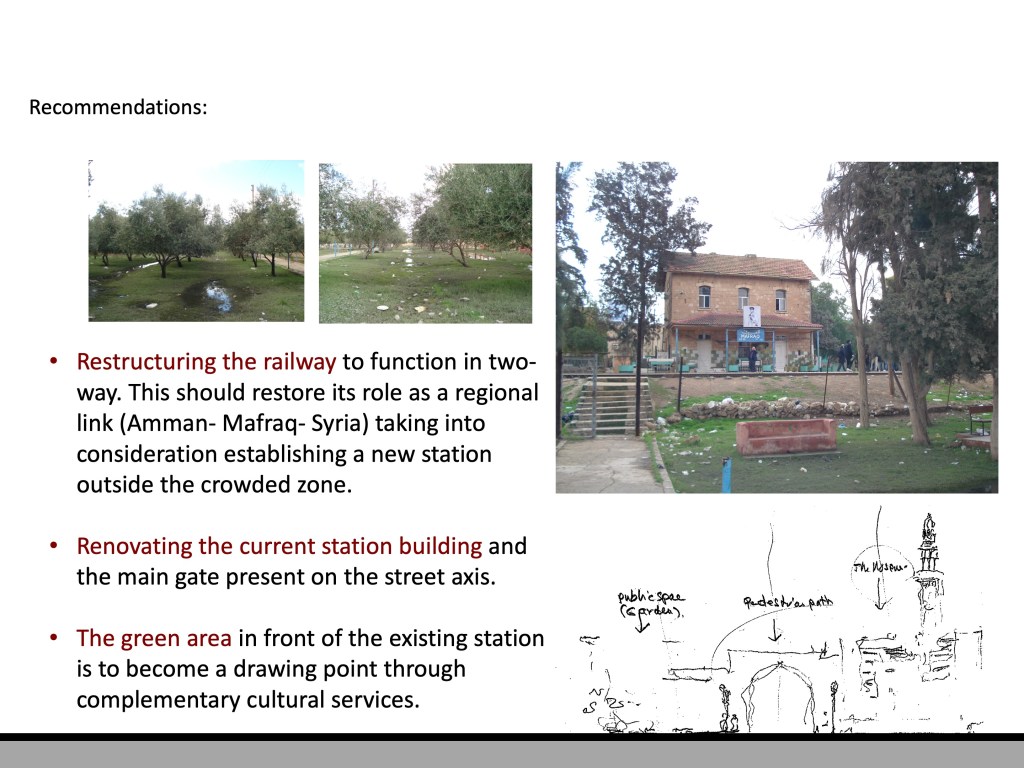
- Visual Pollution: Disorganized advertising panels and the deterioration of historical landmarks, such as the old railway station, contribute to a visually cluttered environment.
Recommendations for Development Vision:
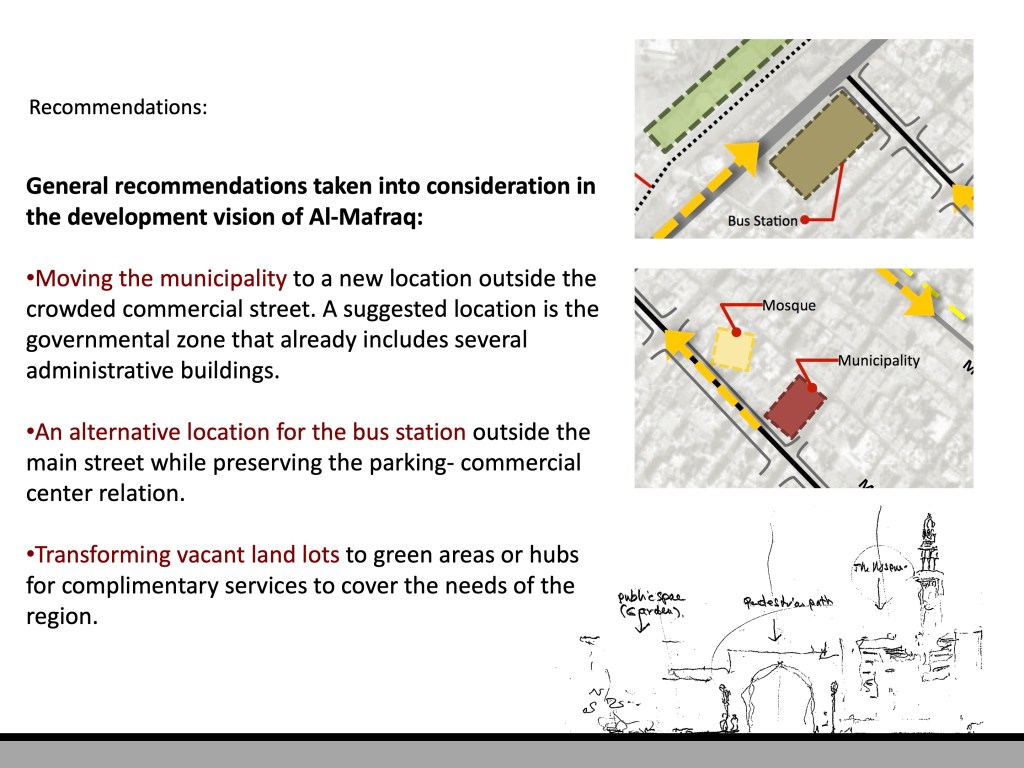
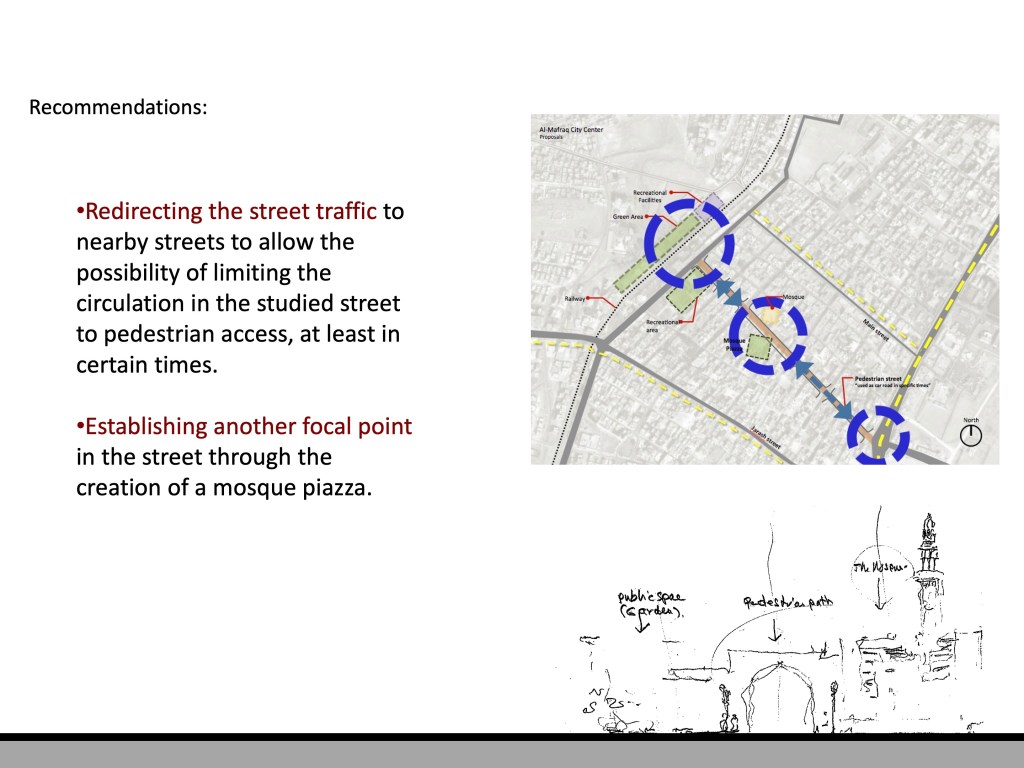
- Relocation of the Municipality: To alleviate congestion and redefine urban land use, it is advised to relocate the Municipality of Al-Mafraq to a more suitable location away from the crowded commercial thoroughfares.
- Bus Station Optimization: Identifying a more strategically positioned location for the bus station to improve accessibility and traffic flow.
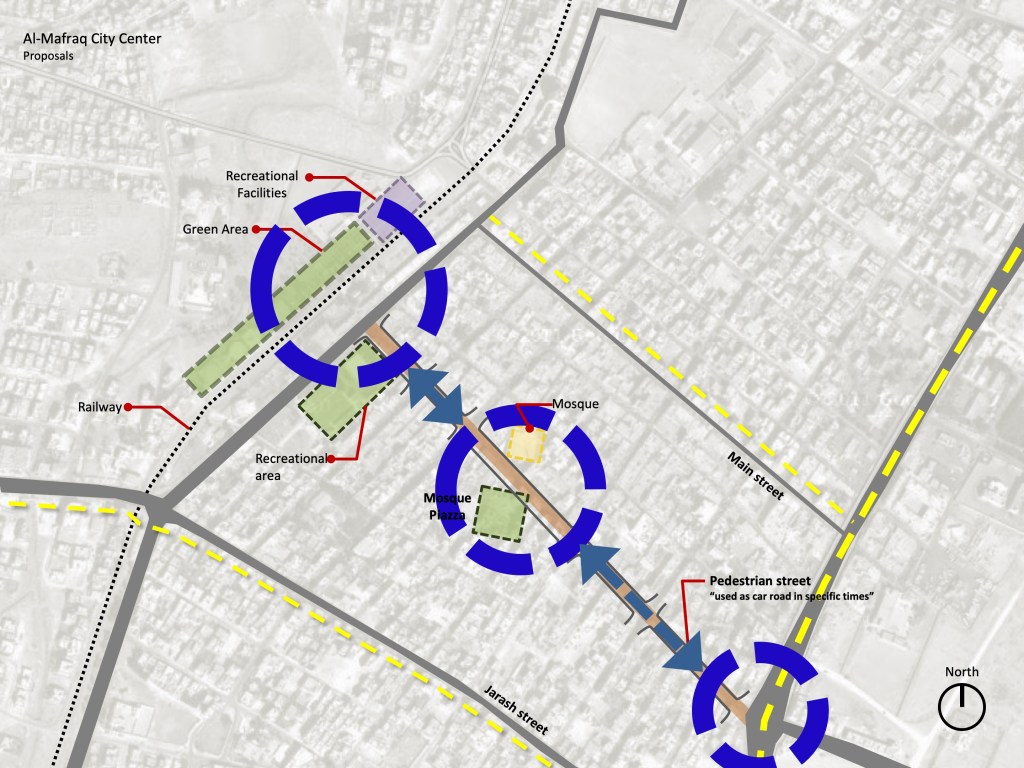
- Green Space Development: Conversion of vacant lots into well-designed green areas to augment the city’s sustainability and livability.
- Traffic Management: Reconfiguration of existing traffic patterns to enhance vehicular flow and pedestrian safety.
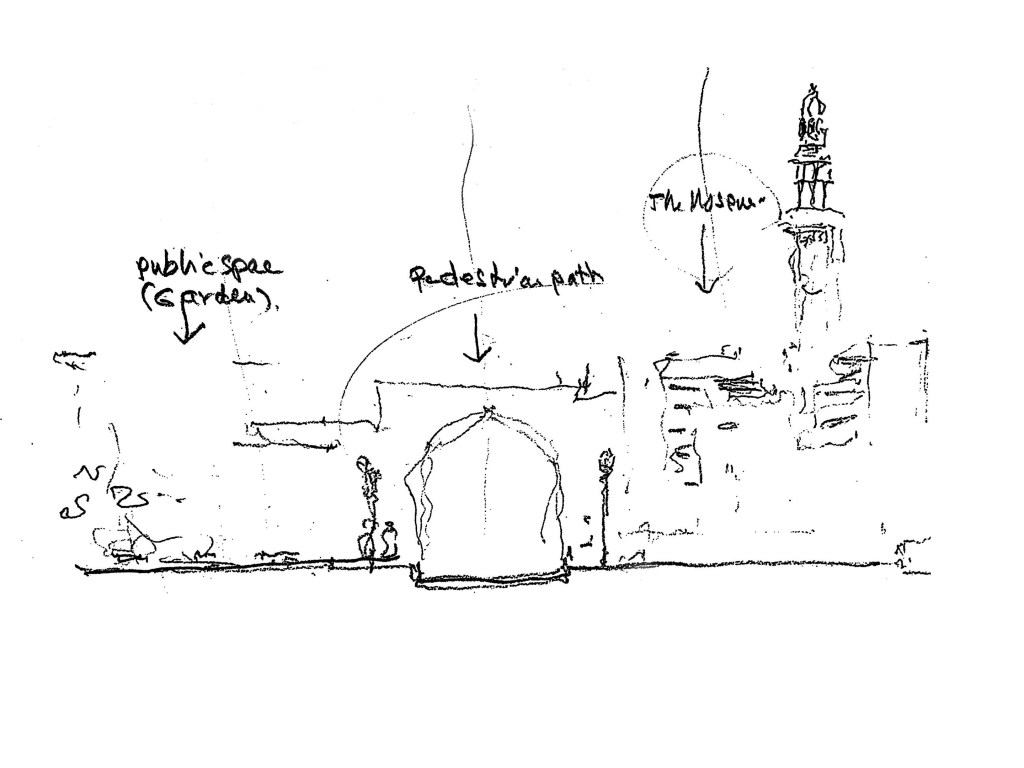
- Civic Focal Points: Establishment of new urban landmarks, such as a mosque piazza, to serve as communal gathering points that reinforce the city’s identity.
By addressing these challenges and implementing the aforementioned recommendations, this project aims to transform Al-Mafraq City Center into a well-organized, visually pleasing, and functionally efficient urban environment.
 Rabih Borji